FNED Post #5: Seeing Queerly
When thinking about addressing LGBTQ+ history and contributions to society in my classroom, I am almost paralyzed by hesitation. The moments of jokes about gay men, periodic slurs of "f*****," unquestioned heteronormative standards all flash through my mind. I feel comfortable talking about race and color and ethnicity, but sexuality? I am afraid that with this one, I am going to step on some toes.
This is a crappy feeling to have... because if I am someone who is hesitating to bringing this history into my classroom and to my students, I am sure that they will not learn about it elsewhere.
But then I think about the students who are in front of me everyday. And I think about how their generation, on a whole, sees gender and sexuality in a way so differently than mine, and especially from their parents. Generation Z, those born between the late 1990s and throughout the 2000s, are more likely to see gender and sexuality on a spectrum, not in a binary. This article points out that our students' generation, which has lived entirely within an online world, has had much greater access to the internet where anyone can find community, even around gender and sexuality.
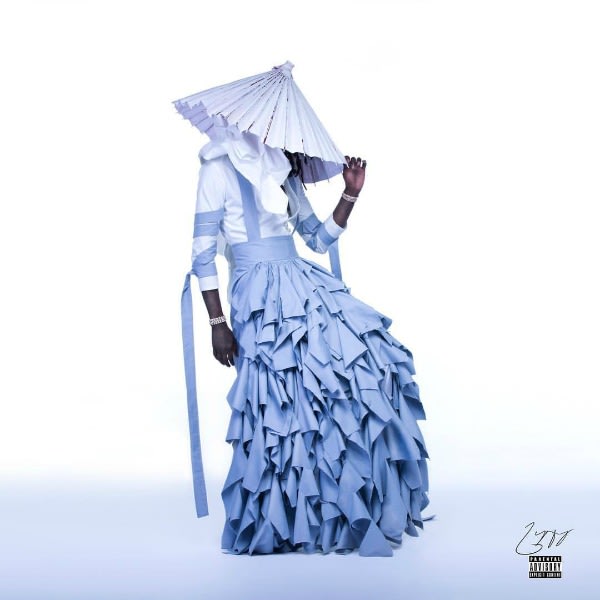
I think when we look at the art and media that our students consume, gender fluidity does seem much more mainstream and common than in previous eras. Figures such as Lil Uzi Vert, Young Thug and Lil Peep, who dominate teenagers' listening streams, bend traditional gender norms often, and few listeners seem to question it. While their generation is probably not going to completely eradicate homophobia and heternormativity in our modern culture, they have shown that they are capable of embracing new ideas around gender and sexuality in a more open way than their predecessors.
This is a crappy feeling to have... because if I am someone who is hesitating to bringing this history into my classroom and to my students, I am sure that they will not learn about it elsewhere.
But then I think about the students who are in front of me everyday. And I think about how their generation, on a whole, sees gender and sexuality in a way so differently than mine, and especially from their parents. Generation Z, those born between the late 1990s and throughout the 2000s, are more likely to see gender and sexuality on a spectrum, not in a binary. This article points out that our students' generation, which has lived entirely within an online world, has had much greater access to the internet where anyone can find community, even around gender and sexuality.
I think when we look at the art and media that our students consume, gender fluidity does seem much more mainstream and common than in previous eras. Figures such as Lil Uzi Vert, Young Thug and Lil Peep, who dominate teenagers' listening streams, bend traditional gender norms often, and few listeners seem to question it. While their generation is probably not going to completely eradicate homophobia and heternormativity in our modern culture, they have shown that they are capable of embracing new ideas around gender and sexuality in a more open way than their predecessors.
 |
| Lil Uzi |
 |
| Young Thug's "Jeffrey" |


Comments
Post a Comment